
| The story of Bendigo Ophir

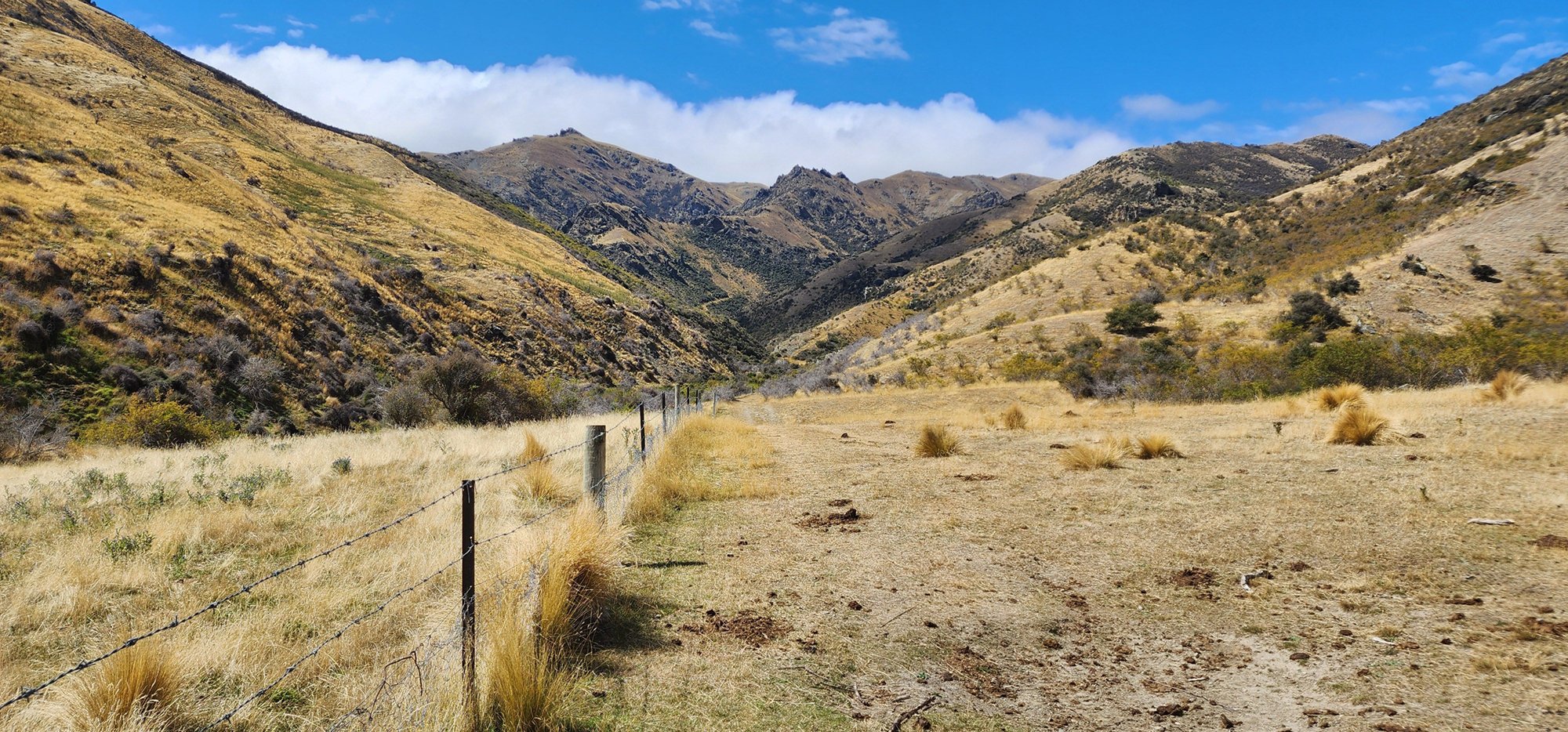
Before people, the ranges supported mountain tōtara, silver beech, celery pine forests and kowhai and kanuka scrubland.
With the arrival of people there were profound vegetation changes resulting from fires lit by hunter-gatherers, subsequent pastoral grazing and the arrival of introduced species.

For Ngāi Tahu the region was accessed via a network of routes or ara tawhito connecting the coastal settlements with the inland lakes, the Dart River or Te Koroka, and with the West Coast or Tai Poutini.
By 1863 around 40,000 diggers were in Otago hoping to change their lives with a big gold strike.
By the mid-1860s gold was not so easy to find and most of the small-time miners had left the regions. The turn of the century saw industry mechanise and dozens of dredges worked the rivers, the last dredge left Mata-au the Clutha River in 1962.
